Cape Town – The stage is set for the Sun Met celebrated with Mumm which takes place at Kenilworth Racecourse on Saturday.
Last year 32 000 people attended the Met and this year they are expecting no fewer, said Garth Petersen, event manager for Kenilworth Racing.
Public parking will be at Chukker Road. Tickets cost R70 and can be bought at Ticketpro or at the gate. Shuttles and buses for the public will be available from 10am until midnight. No roads will be closed. Petersen, however, has asked that nobody stop along Rosmead Avenue and rather get dropped off at the Wetton Road entrance.
There is hospitality VIP parking. Vehicle access is from the southern end of Chukker Road.
“We would prefer people not to drink and drive but rather use Uber or taxis.”
The weather will be around 24°C, but in the event of rain, some people will get wet, said Petersen. “There are marquees, big umbrellas and people can take shelter under the grandstands, but there isn’t much protection.”
There have been no applications for helicopters to land, but this could change on the day, he said.
Cape Town – After her mother died in July, Heather Tager began sorting through her belongings. “You know old people keep everything in tiny, little packets,” she mused.
Tager, 66, from Sea Point came across a Cape Argus dated January 2, 1896, still in an amazing condition and intact.
When Tager saw that the Cape Argus was celebrating its 160th birthday this year, she rushed to send the newspaper an email.
“The paper, although a bit yellow by now, still makes a fascinating read. I love looking at the prices,” she said.
“To let: a nice dwelling house, seven rooms, with two paddocks, £7 from February 1,” she read.
“Going to the movies for 10c and different prices depending on where you sat a flat to rent for £26…”
Tager does not know why her mother had kept the paper from 1896, but suspects her father kept it.
While searching, she found another paper, from 1963. Tager said her father had kept the latter as there was a photo of their old Rondebosch house on the front page. “We lived there until I was about 12 and then we moved through to Sea Point.”
Then-minister of foreign affairs, Eric Louw, bought the house for R23 000.
Looking through the newspaper brought back many childhood memories.“There was an Adelphi movie house in Sea Point, where the Adelphi Centre is now. I remember going to swop comics there on a Saturday morning as a child.
“They’ve got a page of adverts for the old clubs that were in Cape Town… My parents used to talk about the Three Cellars and the Sable Room.”
The newspaper from 1963 was only printed in black, white, red and pink.
There were many adverts for cigarettes and alcohol.
Tager said she was definitely not giving the paper away.
Cape Town – Despite horse racing still being an elitist sport, one local entrepreneur is not letting that stop him.
Businessman Hassen Adams, executive chairman of Grand Parade Investments and owner of horse Mac de Lago, drawn at barrier 14 for Saturday’s Sun Met celebrated with GH Mumm, said if you’re in the race, you’re in with a shot at winning.
“(It’s) elitist in the sense that it is very expensive, high fashion and high cost. We have years and years of economic catch-up and that’s a problem.”
Adams said he has been in the industry for 30 years. “My father loved horses and I have never given up. There are still some people with apartheid bias, but I’m very vocal about it. The reality in life is that unless you challenge these frontiers, you will never be able to understand it and talk about it.”
Adams said he has one of the biggest stud farms and is one of the biggest owners. “As Mandela said to me one day: ‘I want you to be a torch-bearer because I know that you will be able to shine the light on many of our people’.”
Adams said he employs thousands of people at Grand West, SunWest, Table Bay, Burger King, Grand Parade Investments and Dunkin’ Donuts.
“I am a serial entrepreneur. By that I mean that I am hungry to grow so that I can create jobs.”
Cape Town – Favourite Legal Eagle is the horse to beat in the R5 million Sun Met celebrated with Mumm over 2000m on Saturday, said Rouvaun Smit, leading South African commentator.
“As things stand on paper, theoretically, Legal Eagle should win the race.”
On Thursday, Legal Eagle was drawn at barrier number nine.
“He is in the prime position to decide whether he is going to go to the front or come from off the pace like he did in the Queen’s Plate,” said Smit.
“At this point, having a look at the full field, whoever beats Legal Eagle will win the race. I know the jockey himself (Anton Marcus) has great respect for Marinaresco, who has drawn two. He’ll be in a favourable position to be able to give him a run for his money.
“The horse that everyone else is touting about is Whisky Baron. He has drawn barrier number 8, right alongside Legal Eagle.”
According to Smit, the way the conditions of the race look and the way that the draw has been completed, only one of three horses can win it: Legal Eagle, Marinaresco or Whisky Baron.
Bela-Bela (with jockey Anthony Delpech) is the only filly in the race. “Last year a filly won. She probably has as good a chance as any other filly in this race to win it.
“Very seldom you’ll find fillies going for The Met, because there is a race on the day, The Majorca, which is primed at Grade 1 level fillies. Obviously the connections think that she has a chance of winning it. That’s why they put her in the race.”
Smit said that the pools are huge. “As a first-time better, I don’t think you can hurt yourself if you’re going to take R50 and put it on Legal Eagle, because of the volume of money that’s going to be in the pool.
“They’re looking at in excess of R5 million in the win pool alone. So, you are guaranteed to more than double your money if the favourite does win.”
Cape Town – Pupils forced to write their matric exams in languages other than their mother tongue are put at a distinct disadvantage, leading to lower scores on their papers, according to UWC’s linguistics department head.
Professor Bassey Antia said the Department of Basic Education (DBE) should invest in more teachers, moderators and invigilators who speak African languages in order to administer examinations across more diverse languages than just English and Afrikaans.
“In classrooms, learners are often taught in more than one language.
“It is therefore somewhat unnatural for such learners to be tested in only one of these languages, especially when it is the weaker of their languages,” he said.
“Speakers of African languages, in particular, score the lowest since their languages are not used in examining content subjects.
“The language of the exam paper itself should not be a challenge; the content of the paper should.
“When results are released everybody says the performance is dismal and the language question tends to be dismissed.
“I say we should look at it differently, because the environments are multilingual and learners acquire knowledge across languages. However, when it comes to assessment, learners are tested in one language, the official language.”
The DBE said it does not have enough teachers to teach indigenous languages and therefore cannot administer exams in African languages.
Department spokesperson, Elijah Mhlanga said the DBE embarked on an initiative aimed at bringing indigenous African languages into mainstream education, but it has yet to bear fruit.
“We implemented the Incremental Introduction of African Languages policy in 2014 which was aimed at forcing all schools in South Africa to offer at least one African language.
“At the end of the pilot we learned there was a shortage of teachers in this area.
“We have started to attract teachers using a variety of measures aimed at increasing the numbers and thus grow African languages in our schools.
“As things stand, we don’t have enough people that work in this area of our system and that is what we need to do first before we can administer exams in African languages.”
Antia conducted a study which found students who registered to write matric in English and who know both matric exam languages (English and Afrikaans) would flip their exam papers over to read the Afrikaans side if they did not understand the term in English, and vice-versa.
His study, which started in 2013 and is ongoing, includes 119 students from different language groups.
“Terms in one language can be more descriptive than in another language,” said Antia.
“There is knowledge embedded in terms.
“Knowing several languages can afford different entry points to understanding.”
Antia hopes to present his research to the DBE once it has been published.
Cape Town – When you combine the sounds of South Africa and India, one cannot predict the end result.
The answer lies in the combined sound of Deepak Pandit, Ranjit Barot and Marcus Wyatt.
“The idea is that it should be blending nicely… The idea is that two different musics when played together should sound like one piece of music,” said Pandit, at a press conference for the Cape Town International Jazz Festival on Thursday.
Wyatt joined in on this point and added, “It’s not super easy because stylistically we come from quite different worlds.”
They have been rehearsing for a few days and what they have found is a commonality.
“I believe the point of this (collaboration) is to have some sort of ‘cross-pollination’ of sound and style from the two countries.”
Wyatt reiterated that this is easier said than done. “Some styles of music blend easier than others and I have always been a musician that is up for a challenge.”
Barot chimed in: “I think it all begins with a willingness to have a dialogue… I think that there is a place where all people, all cultures, all genders meet. It’s a neutral, magical place where you stop defining yourself by everything that has been imposed on you in this life. “
Cape Town – STTA (better known as Sampling Through The Ages) is promising ‘next-level’ music at Cape Town International Jazz Festival this year.
Forget all you know about DJ’s, mixing beats, MPCs and electro.
“The best way I can describe our sets is a DJ set being performed live. We take on popular music in itself and remix and rearrange it in front of you and give it our own twist,” said Joshua Zacheus, the band’s drummer, vocalist and musical director.
STTA is a local live concept band that can formulate their music to the preferences. They consist of a drummer, two turntablists, three live beat machine samplers, one versatile vocalist/hypeman and a collective of “industry-recognised” guest features.
Festival-goers can expect a tribute to a number of musicians who passed away last year in STTA’s set.
The band opens the Bassline stage on Friday, March 31.
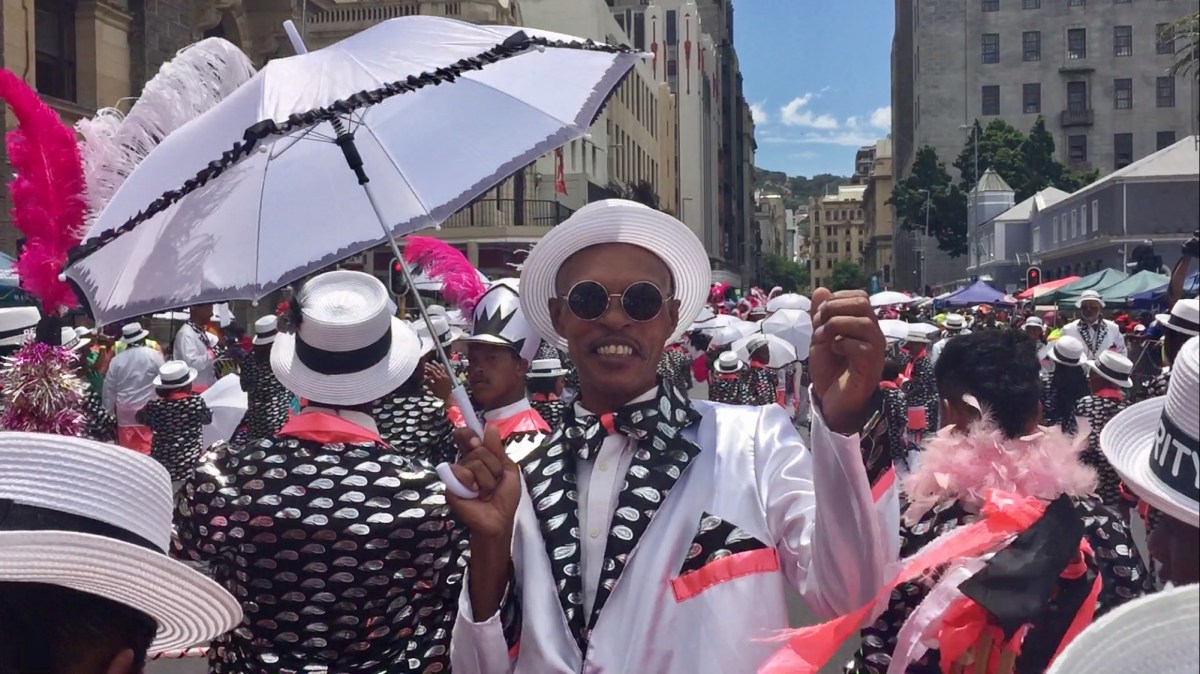
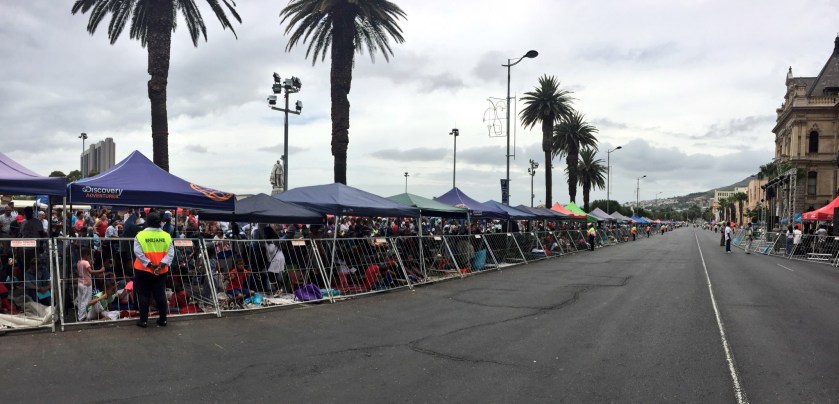
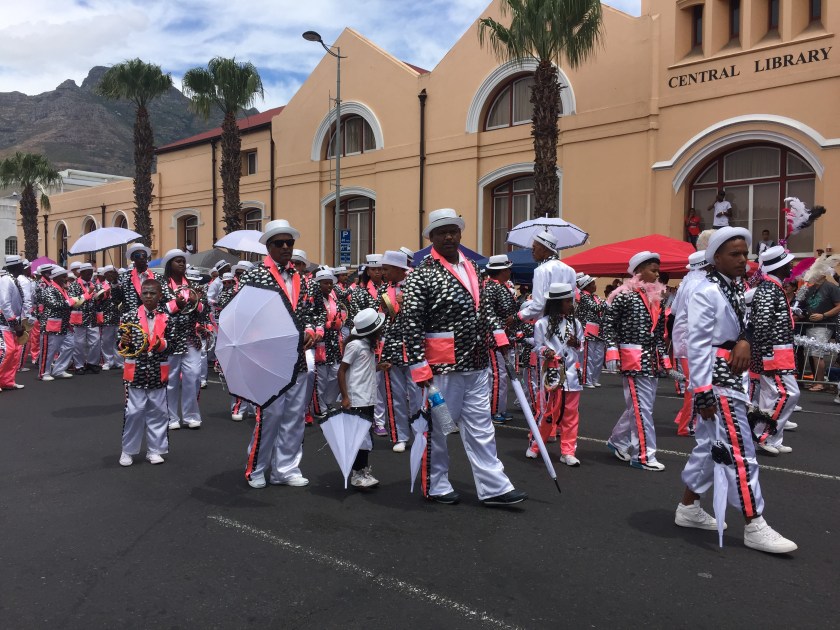
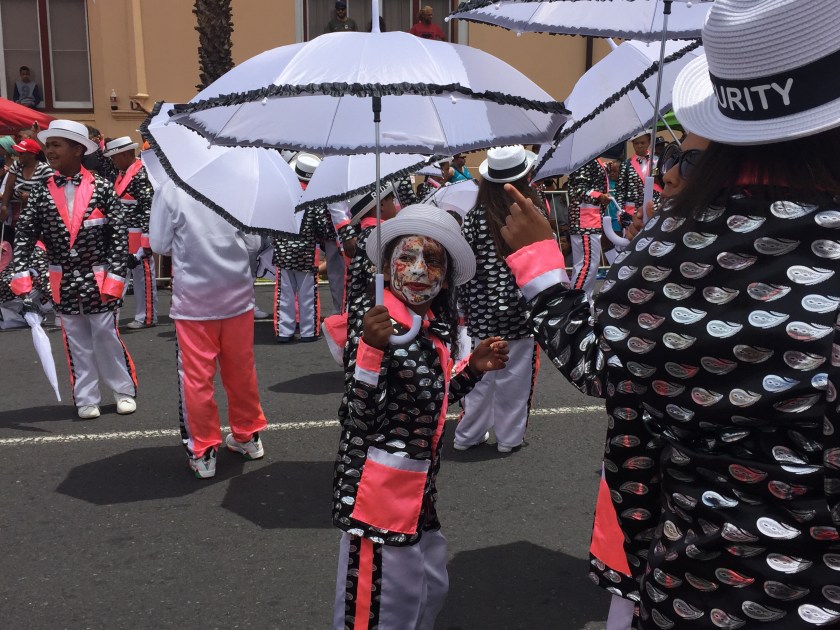
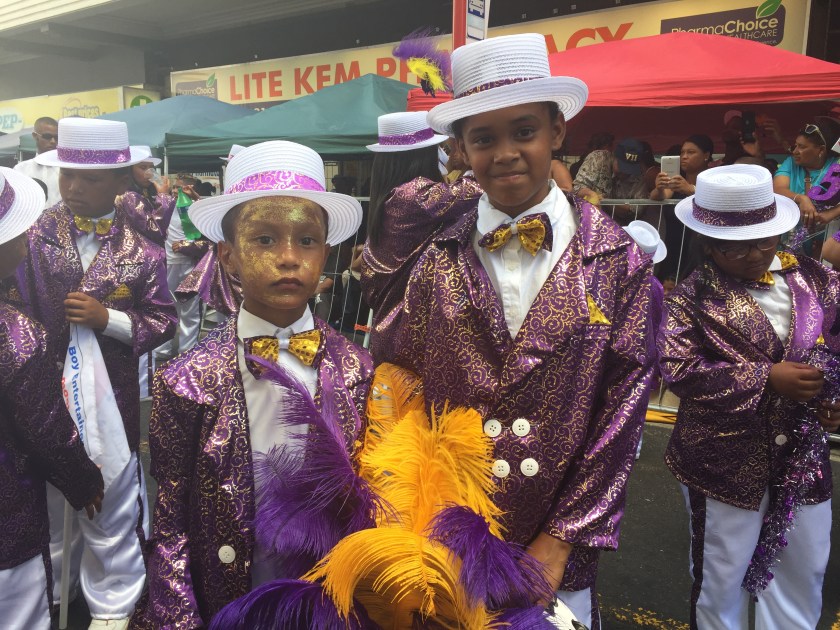
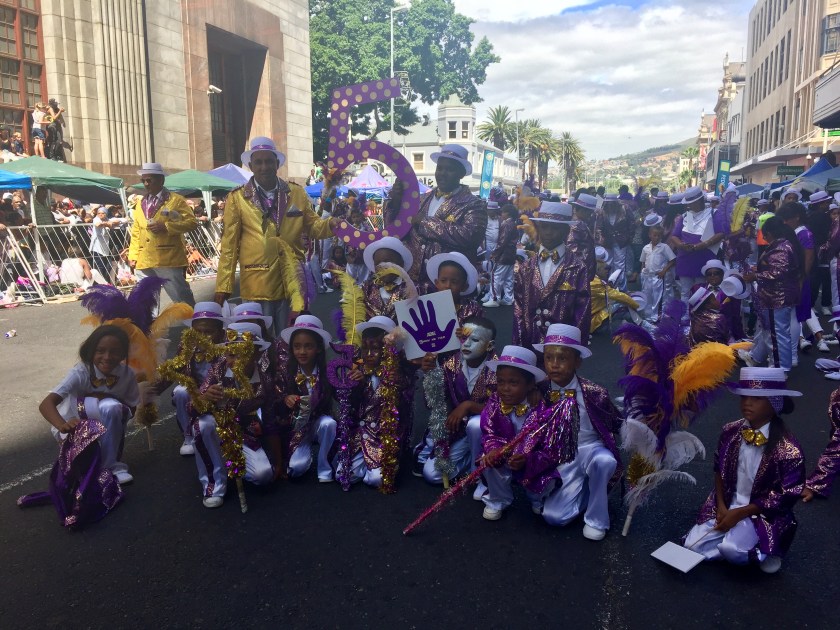
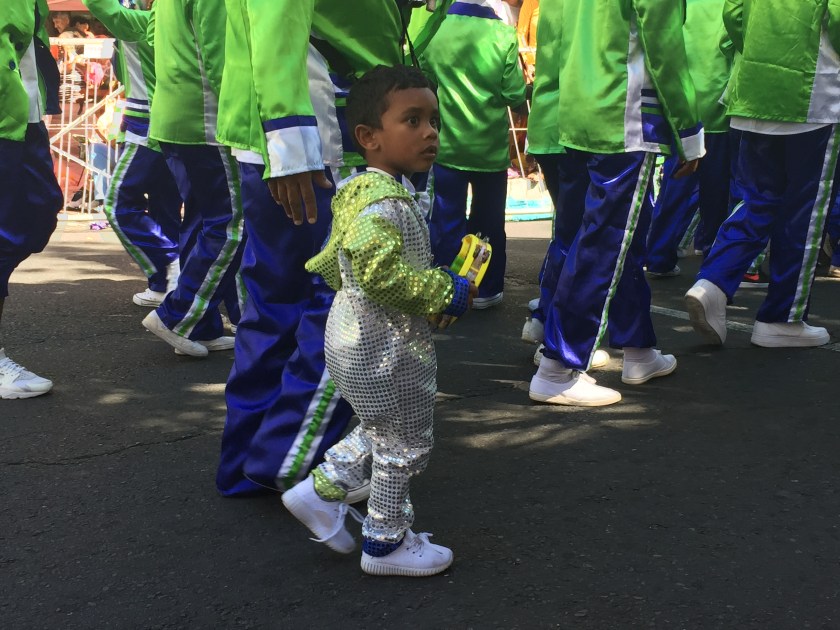
I had no idea what to expect on my first day at the Cape Argus, but was pleasantly surprised when I was tasked with covering the Tweede Nuwe Jaar minstrel march. The march takes place every year on the 2nd of January and has its traditions in slavery in the Cape.
In the nineteenth century, slaves in Cape Town were given one day off in the year (2 January). On this day, they dressed in fancy costumes and sang and danced through the streets. Some of those songs can still be heard at the parade today.
All of the photos below were taken by me.
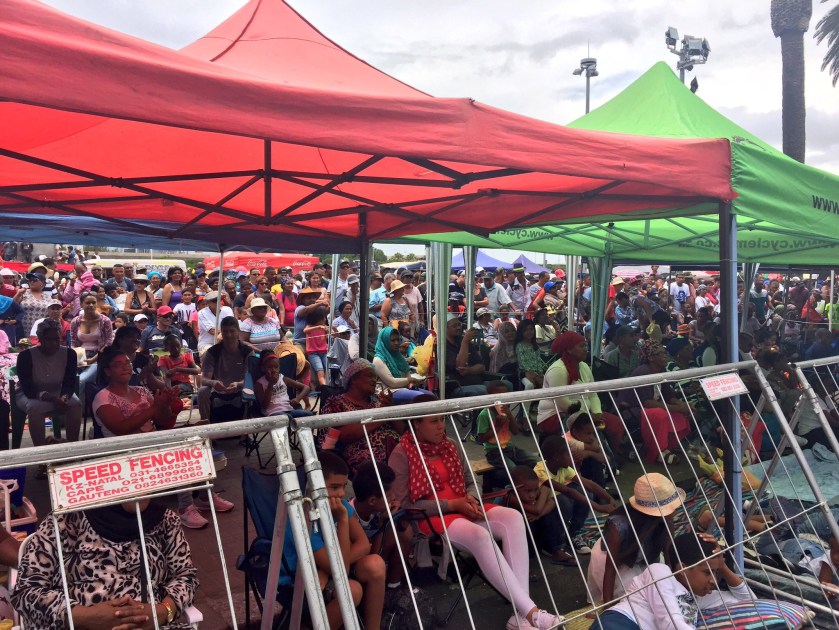
All set up for the march at the Grand Parade.Waiting patiently for the minstrels at the Grand Parade.The Original District 6 Hanover Minstrels were the first troupe in the procession. They have been the champions for the past nine years.A member of the Original District 6 Hanover Minstrels.Two young members of the Juvie Boys.The Juvie Boys celebrated their fifth year at the minstrel march.A young minstrel looks bewildered as he marches through the parade.
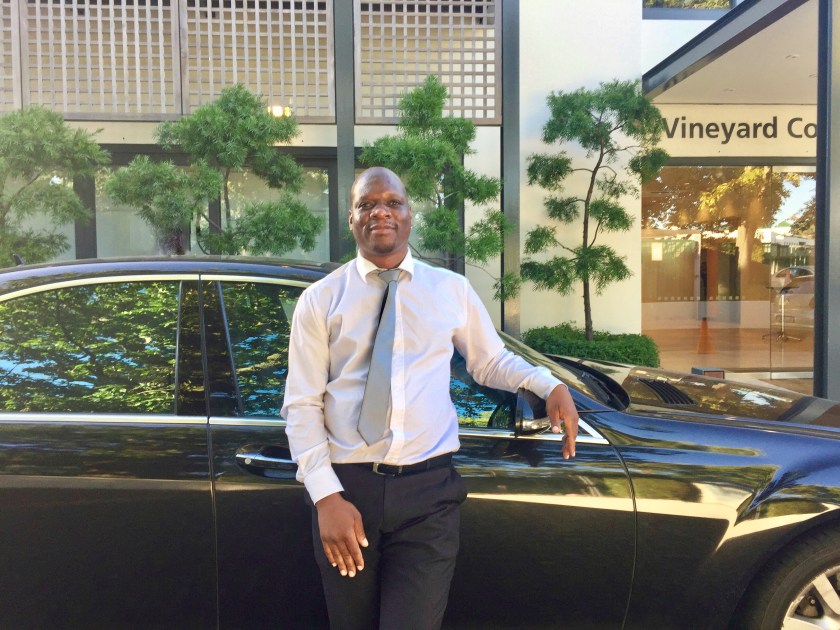
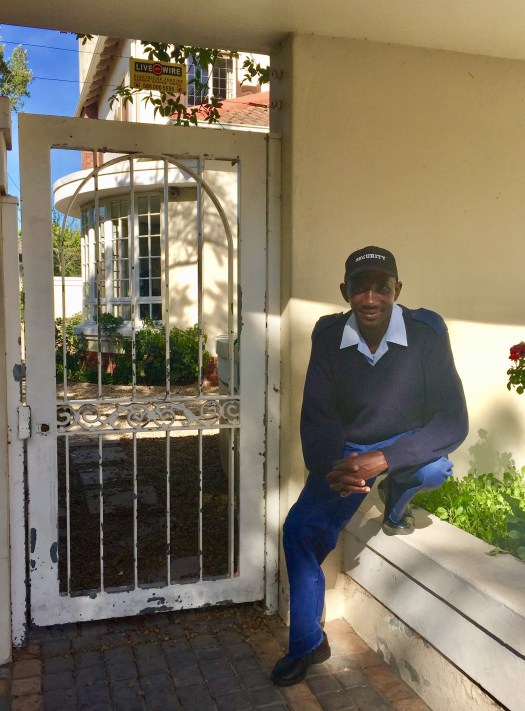
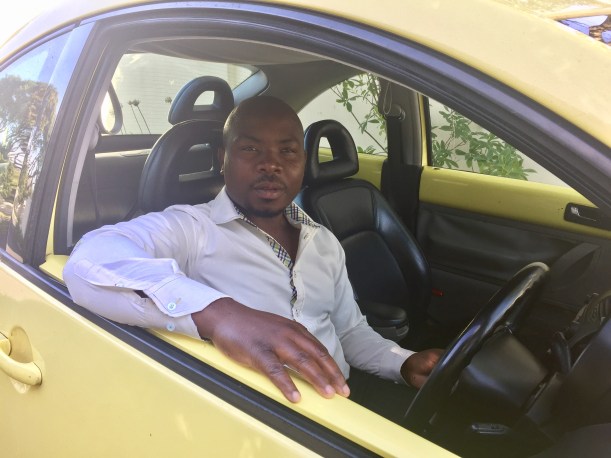
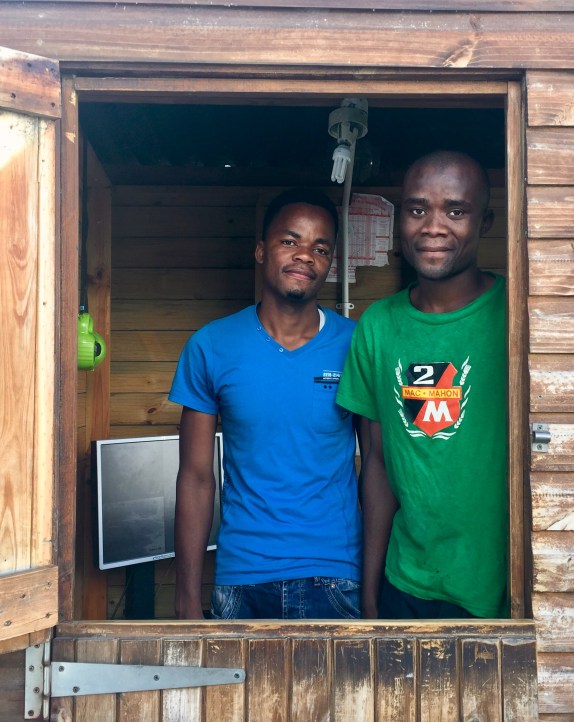
Oscar (41) arrived in Cape Town in 1995 from a village called Mangochi in Malawi, looking for “any work”. He has been working as a driver for the last five years. PHOTO: Saarah SurvéJavison (42) arrived in South Africa in 2007, hoping to find a better future for himself. Before he came to Cape Town, he worked as a gardener in Johannesburg. He works as a security guard. PHOTO: Saarah SurvéFrank (28) came to South Africa in 2009, looking for work and “greener pastures”. He has been a petrol attendant at the Caltex at the Waterfront and is now a driver. He would like to go to photography or graphic design school. PHOTO: Saarah SurvéDawood (26), in the blue T-shirt, came to Cape Town in 2012. Dawood has a diploma in business management, but works as a security guard. He is with his younger brother, Mohammed. PHOTO: Saarah SurvéMohammed (23) followed his brother Dawood to Cape Town in 2014. He cleans houses and works as a gardener. PHOTO: Saarah SurvéOscar (41) and Mabel (29) got married in Cape Town in 2009. They live with their daughter Moonisah (2) in Claremont. Mabel works as a receptionist. PHOTO: Saarah SurvéMoonisah rides her tricycle through their flat in Claremont. Her Malawian parents hope that she will have a better future in Cape Town, where she was born. PHOTO: Saarah Survé
NEWS
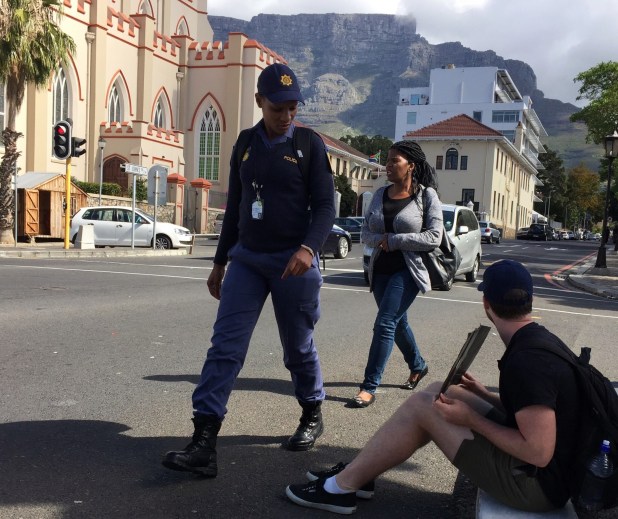
A police officer reads a sign held by a protesting UCT student, outside Parliament, on 7 October. The sign reads: “Free education. End debt slavery”. He hoped to engage passers-by to further and deepen the debate on free education. PHOTO: Saarah SurvéPolice officers and private security stand outside Stellenbosch University’s Education building on 10 October. The presence of police and private security heightened after students and workers began protesting that morning. PHOTO: Saarah Survé
PORTRAITS
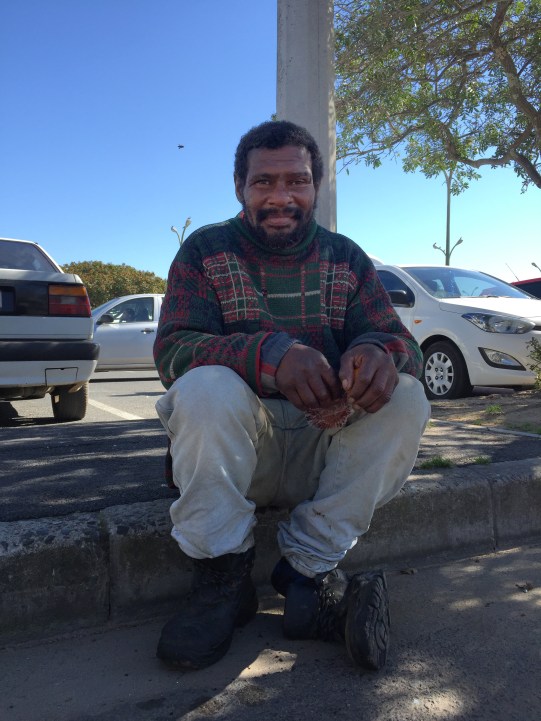
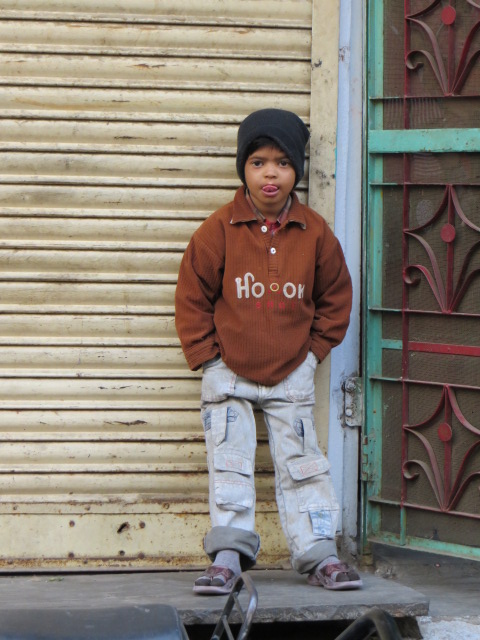
Arthur Nico van der Merwe, 45, sits in the middle of a parking lot in Andringa Street in Stellenbosch. Arthur was released from Pollsmoor Maximum Security Prison in Cape Town two days before this photograph was taken. PHOTO: Saarah SurvéA young boy leans against the wall of his home in Old Delhi, India. Many children are left to play without adult supervision during the day. PHOTO: Saarah SurvéA young boy playfully sticks his tongue out at the camera. He lives in a rural area in the Dominican Republic. Over 20% of the country lives in extreme poverty. PHOTO: Saarah Survé
FEATURES
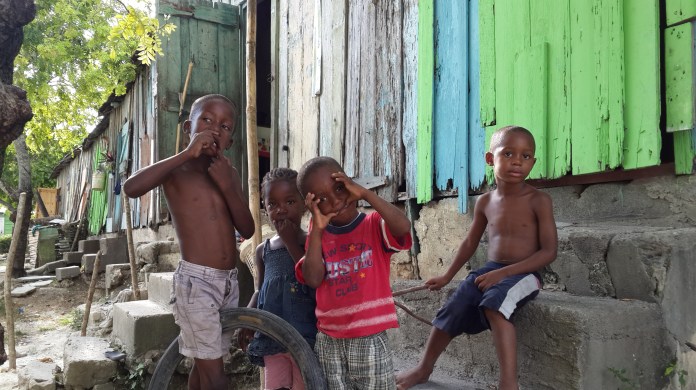
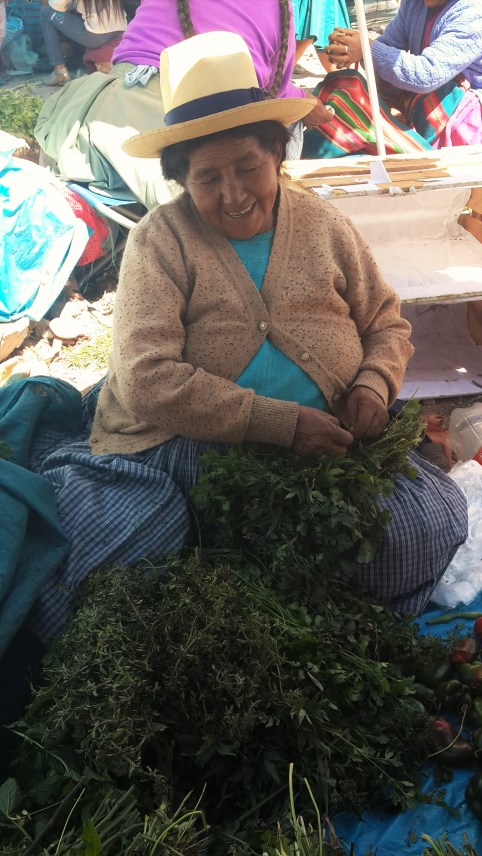
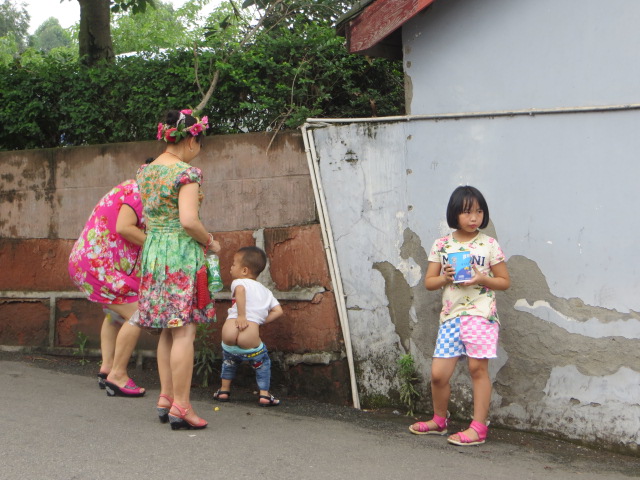
Children, in the Dominican Republic, pose for a photograph in front of their homes. In the absence of toys, they play with old tyres and sticks. PHOTO: Saarah SurvéAn old woman sells vegetables at a local market in Peru. PHOTO: Saarah SurvéA family waits while a toddler relieves himself against the wall in a parking lot in Chengdu, China. PHOTO: Saarah Survé
“If I was personally committed to enforcing decolonisation, science as a whole is a product of western modernity and the whole thing should be scratched off.
“If you want practical solutions to decolonise science, we would have to restart science from an African perspective; from our perspective of how we’ve experienced science.”
These are quotes from a student attending a University of Cape Town (UCT) Science Faculty meeting with members of the ‘Fallist’ movement on 12 October. #ScienceMustFall began trending on 14 October, after a YouTube video from the meeting went viral and was ridiculed on social media.
The member of the ‘Fallist’ movement continues by describing how rural people in KwaZulu-Natal believe that black magic can be used to “send a lightning” to strike someone. She asked the audience to explain that scientifically, but this was met by laughter.
Decolonised education is a phrase that has been bandied about recently by students, but what does this actually mean? What does a decolonised university look like?
What is decolonised education?
Tabisa Raziya (22), a Bachelor of Social Science student at UCT and former #FeesMustFall member, believes that decolonising education is taking everything as it stands, the curriculum, culture and institutional values of education, and changing the face of it.
“It’s about restructuring the way it’s taught, what we’re taught and who we’re taught by.
“Decolonisation means making education more Pan-Africanist. So, the ideals of afro-centrism are promoted in the curricula and academics of colour become heads of departments and vice-chancellors.”
Raziya explains that decolonising education means reflecting a post-colonial intellectual space instead of one that reflects western and colonial values. She believes it should reflect the current demographic in South Africa.
A statement, released by the Fees Must Fall movement on 26 October, said that #FeesMustFall is a demand for “a free decolonised, Afro-centric education”. “This call is rooted in the liberation of black people and the total dismantling of the anti-black system that maintains black oppression.
“Fees Must Fall is an intersectional movement within the black community that aims to bring about a decolonised education. This means that the Fees Must Fall movement is located as a part of the larger struggle to eradicate the western imperialist, colonial, capitalist patriarchal culture.”
According to Athabile Nonxuba, a UCT student who spoke to News24, decolonisation includes the development of African interests, rather than Eurocentric ones, and an African education. “Eurocentrism does not serve our interests culturally, socially, economically. It does not resolve the issues of Africa.”
Nonxuba explains that decolonised education can only be introduced if the current system is overthrown and the people it is supposed to serve define it for themselves. “We want to review the system and curriculum, and that can’t happen without a decolonised institution.”
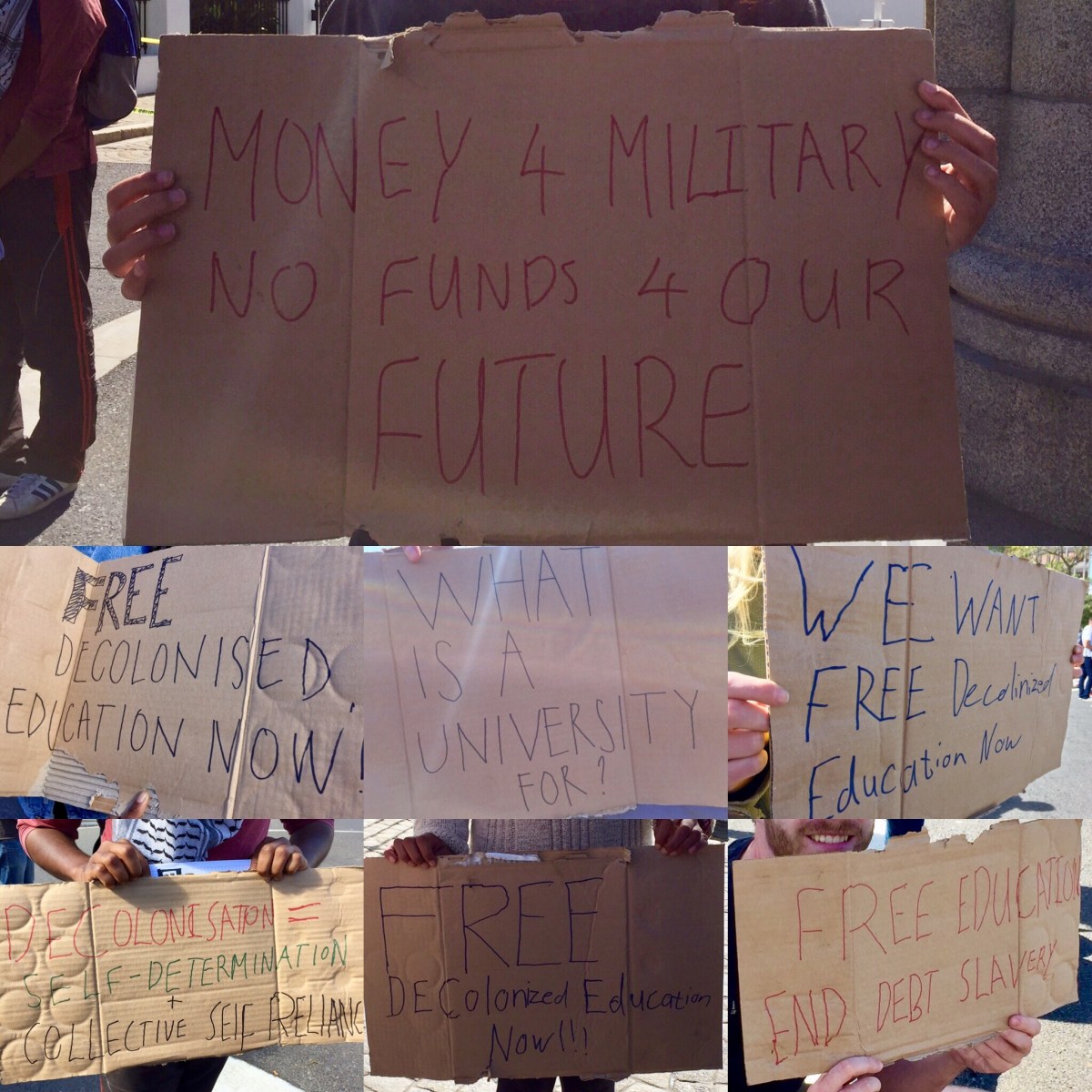
PHOTOS: Students gathered outside of Parliament on 7 October 2016 to hand out pamphlets to passers-by. They hoped to further and deepen the debate on the possible next steps for the free education movement by engaging with passers-by. All photos by Saarah Survé.
Students gathered outside of Parliament on 7 October 2016 to hand out pamphlets. They hoped to further and deepen the debate on the possible next steps for the free education movement by engaging passers-by. PHOTO: Saarah Survé
A UCT student holds a sign which says “Money for military. No funds for our future”. She was standing outside of Parliament hoping to engage passers-by to further and deepen the debate on free education. PHOTO: Saarah Survé
A UCT student holds a sign calling for “free decolonised education now”. She was standing outside of Parliament hoping to engage passers-by to further and deepen the debate on free education. PHOTO: Saarah Survé
A UCT student holds a sign calling for “free decolonised education now”. She was standing outside of Parliament, with other students, hoping to engage passers-by to further and deepen the debate on free education. PHOTO: Saarah Survé
A UCT student holds a sign calling for “free decolonised education now”. She was standing outside of Parliament, with other students, hoping to engage passers-by to further and deepen the debate on free education. PHOTO: Saarah Survé
A UCT student holds a sign which says “Free education. End debt slavery”. He was sitting outside of Parliament hoping to engage passers-by to further and deepen the debate on free education. PHOTO: Saarah Survé
A police officer looks down at a sign that a UCT student is holding, outside of Parliament, on 7 October. The sign reads: Free education. End debt slavery. He was hoping to engage passers-by to further and deepen the debate on free education. PHOTO: Saarah Survé
What does colonised education look like?
Raziya recalls sitting in a politics class at UCT in her first year. “I’d never read any of the articles in my course reader before. They were written in Old English and jargon. It did not reflect the politics of the time and I felt that the opinions were based on western ideas of politics.
“Politics is such a pivotal subject in terms of contributing knowledge. That was the first time I felt that even though I went to a Model C school, English was my downfall, because I couldn’t agree with the arguments when I knew that they were anti my belief system.”
Nonxuba explains that students are not introduced to new ideas by Africans, but instead the work of Europeans is offered as a standard in the classroom.
Nonxuba believes that black students are dehumanised by the current curriculum. “We study all these dead white men who presided over our oppression, and we are made to use their thinking as a standard and as a point of departure.”
Suellen Shay, dean and associate professor at UCT, agrees that this is one of the fears of the decolonising movement. “Curriculum content is dominated by – to name some – white, male, western, capitalist, heterosexual, European worldviews.
“This means the content under-represents and undervalues the perspectives, experiences, epistemologies of those who do not fit into these mainstream categories.”
Raziya agrees that the space wasn’t provided to talk about topics such as politics, race, rape, gender and sexuality outside of the media studies department’s hetero-normative and western frameworks.
“If we spoke up, the lecturers and tutors would pull us aside and tell us we were making noise. The one narrative that was given was not open for discussion.
“I felt that they were silencing black and queer voices and anything counter-argument to this idea that everything is fine and that we should all just be grateful that we are at UCT.
“UCT is suffocating, because I feel I have to leave a part of me at home just to be taken seriously. I have to speak more English than Xhosa in order to survive.”
Shay says that despite all of the talk about decolonising the curriculum, there has been little change, but that this is understandable. “Statues fall, fees fall, but curricula don’t ‘fall’,” she explains.
According to Shay, the risk of not having a clear strategy on how to decolonise education is that “the curriculum will look no different in 2020 than it does in 2016”.
VIDEO: On 7 November 2016 students hosted a #FeesMustFall Poetry Evening in Cape Town. It was a space to share poems, music and thoughts. See a video of the event below.







 Saarah Survé